





Each event, activity, or issue we engage with every day can be understood from at least two perspectives - systemAtically or systemIcally.
Most of us started life seeing the world systemically, as we sought to relate to everything in our environment. After we started school, our perspective changed and we have been trained to see everything systematically, that is to know the parts of any experience and then you would know the whole, eg. scientific enquiry.
In this webinar we will revisit the systemic or relational perspective to discuss why its omission from our work in the world is generating disruptive and unintentional complexity.
To ensure the webinar has its feet on the ground, we will use the introduction of AI into public health as a working example. Participants will be introduced to a systemics toolset and engage in using one or more of the tools.
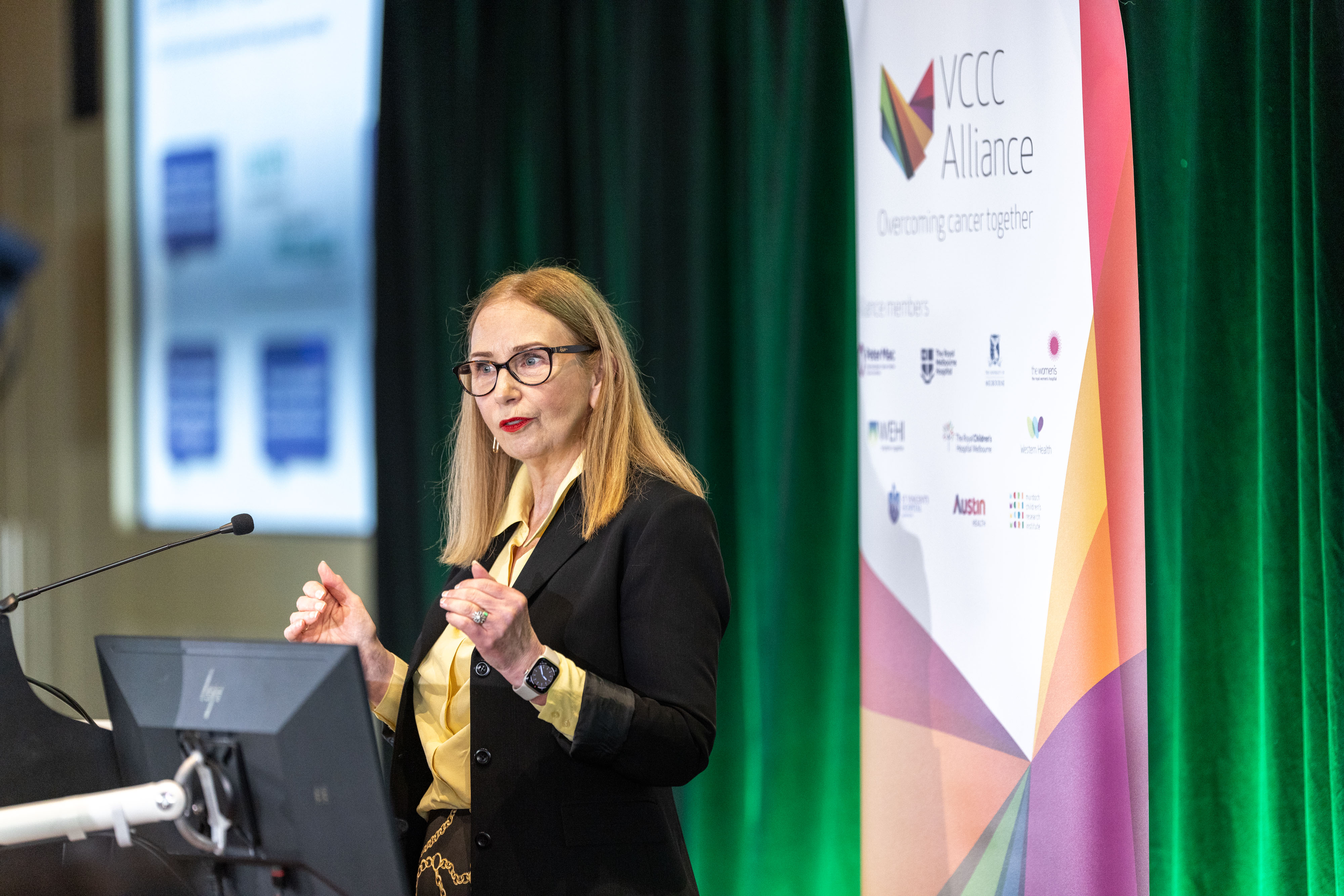
A multi-award-winning infectious diseases specialist, A/Prof Kanhutu has received national recognition for her contribution to digital health innovation. With a career spanning over 20 years in the public sector she comes with a broad professional skill set encompassing patient care, board governance and digital health strategy. In her capacity as the Dean of the Royal Australasian College of Physicians, she leads a broad portfolio including workforce planning, commercial partnerships, policy and advocacy, research and philanthropy. Her current research interests are in community based collaborative care models. At national Government level, A/Prof Kanhutu is a member on the Medical Board of Australia and the National Medical Workforce Advisory Collaboration
Bruce is a change practitioner and an academic. He develops systemic thinking principles and practices to assist organisations, governments and communities to address their transformational goals to improve productivity, relevance and alignment in a changing world. As one of the world’s most experienced Systemic practitioners, he is recognised globally for successfully building organisational capacity to initiate and manage change, through generating innovative, sustainable strategies and developing alternative ways of thinking about challenges and crises. His work includes mapping out complex issues, developing change management and leadership development programs.