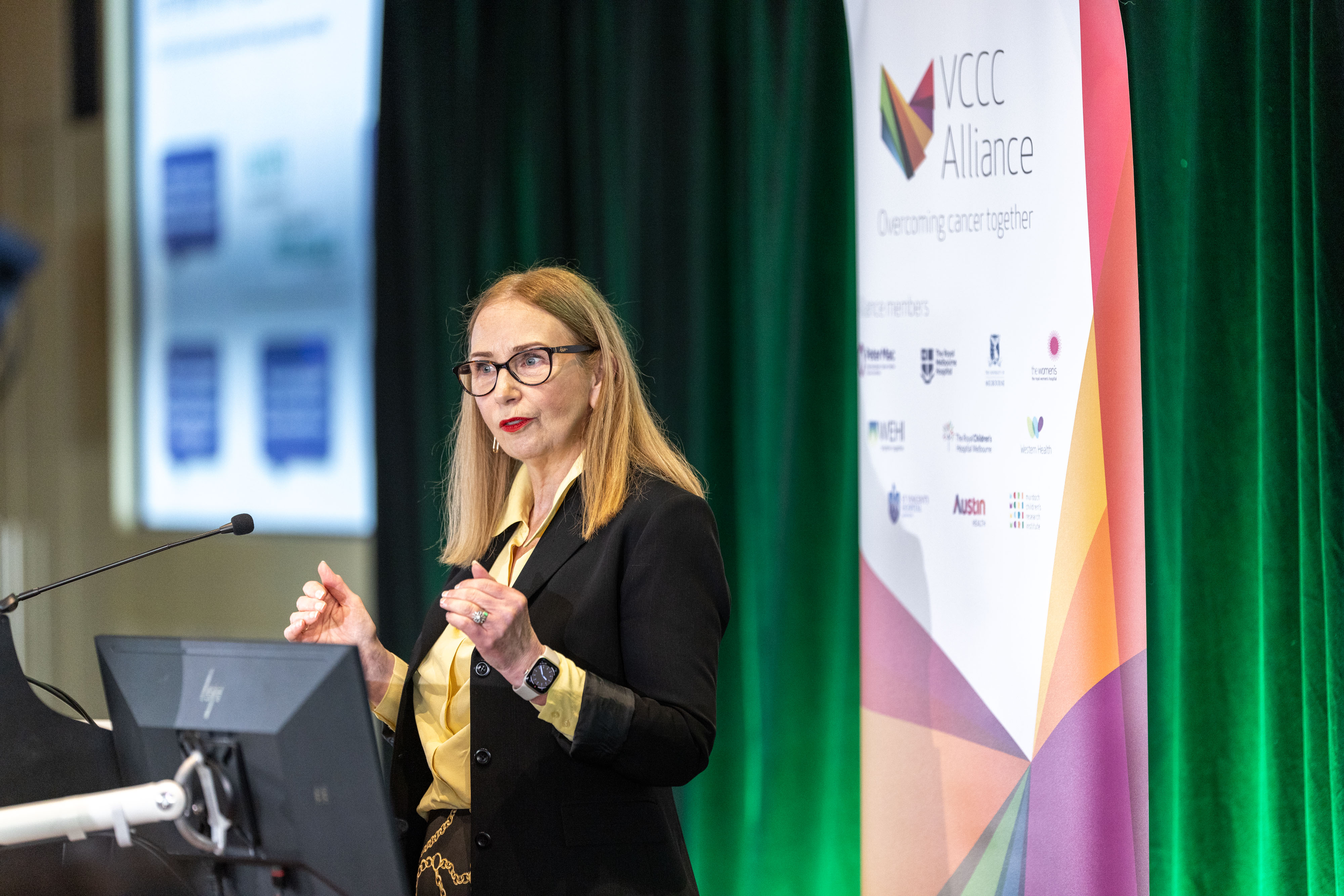






Visiting international guest speaker, A/Prof Kyriaki Michailidou, Biostatistics Unit Lead at the Cyprus Institute of Neurology and Genetics, will present her work evaluating fine-mapping strategies for breast cancer risk.
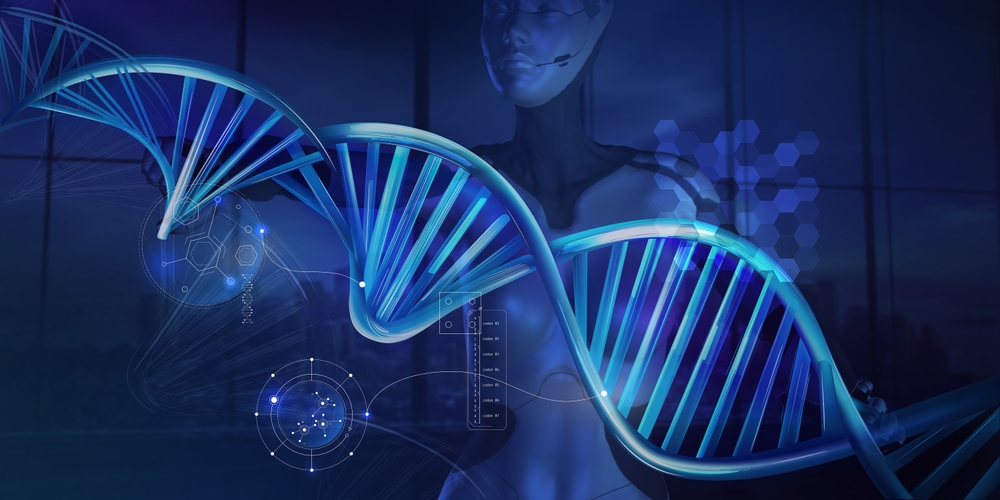
More than 300 gene changes associated with breast cancer susceptibility have been identified by genome-wide association studies (GWAS). However, due to complex patterns - known as linkage disequilibrium (LD) - these genes are often proxies, rather than disease-causing. Fine mapping aims to resolve this by identifying variants - changes in the DNA - that are more likely causal.
A/Prof Michailidou's presentation will share her work comparing summary-based methods against raw data approaches. Using data from large breast cancer cohorts and population biobanks, A/Prof Michailidou will share how analytic choices, modelling and functional annotation can influence downstream findings.
This presentation is supported by MyBrisk and Genetic Epidemiology Research Alliance, two Centres of Research Excellence funded by the NHMRC.
A/Prof Michailidou's research focuses on deciphering the genetic architecture of breast cancer through the integration of large-scale genomic and population-based data. She has played a leading role in international consortia to identify common susceptibility loci through genome-wide association studies (GWAS), contributing to the discovery of numerous risk variants.
Her work extends to fine mapping and functional annotation, with the goal of resolving GWAS signals to identify likely causal variants.
In addition to common variant research, A/Prof Michailidou focuses on the clinical classification of variants of uncertain significance (VUS) in high- and moderate-risk breast and ovarian cancer susceptibility genes. Her research involves developing and applying statistical methods to large case–control datasets, evaluating the role of tumour histopathology in variant interpretation, and identifying “atypical risk” variants—those that confer risk profiles differing from typical pathogenic variants in the same gene.
Distinguished Professor Melissa Southey, is a Molecular Geneticist, Founding Fellow of the Faculty of Science, Royal College of Pathologists of Australasia and an NHMRC L3 Investigator Fellow.
Professor Southey’s research program has a population-based focus that has been pivotal to the establishment of large genetic epidemiological research resources that are now addressing key questions in human health and disease.
Professor Southey is best known for her work with multiple-case cancer families and heritable risk factors that has provided the evidence base for best practice guidelines for the clinical management of individuals at high risk of the disease.