




The national Lung Cancer Screening Program needs to ensure Aboriginal and Torres Strait Islander communities, culturally diverse populations and those in remote and rural areas, are able to easily access the program and in culturally safe ways, experts say.
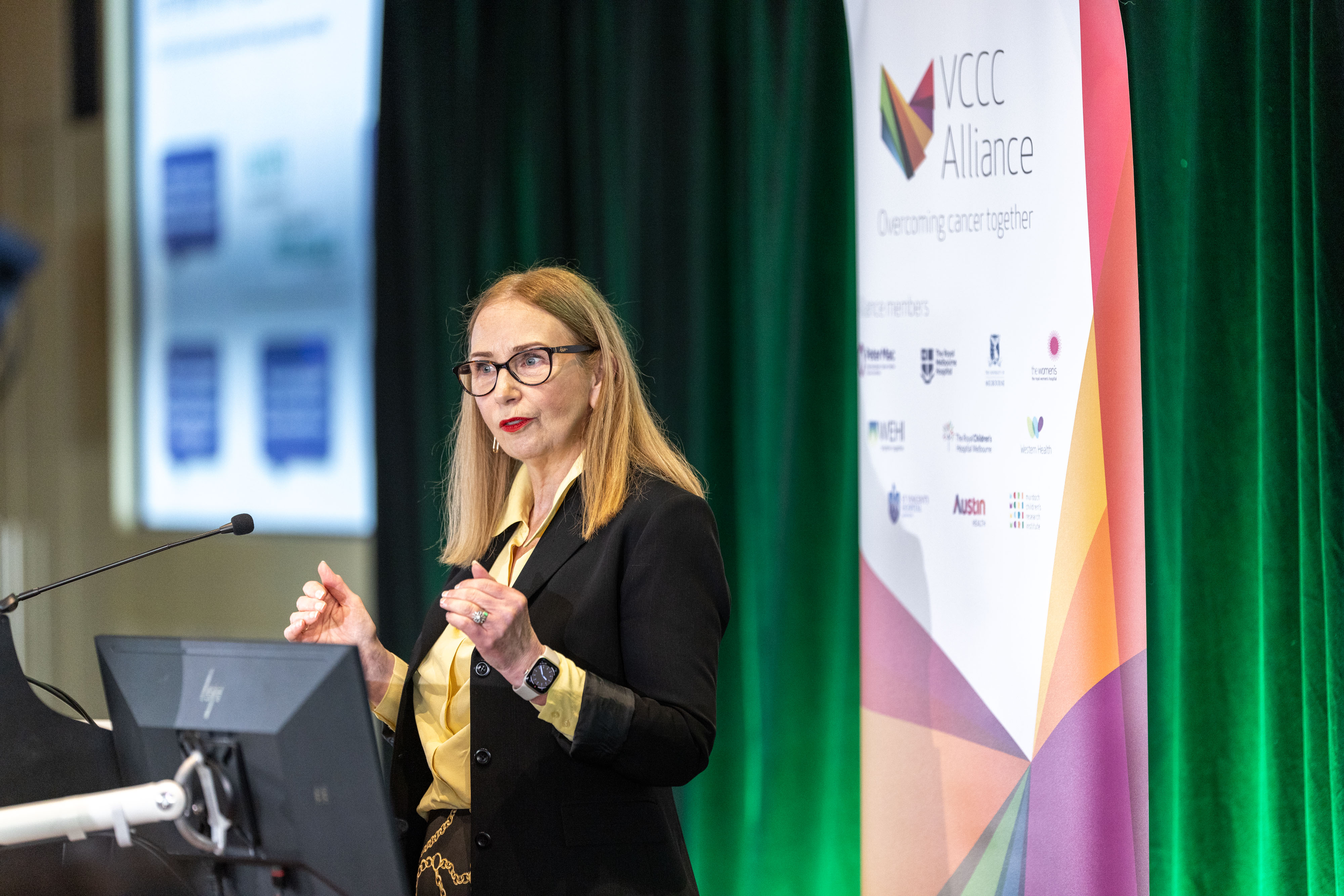
This was among the key messages to emerge from the VCCC Alliance Lung Cancer Screening Symposium on 23 May, attended by more than 250 people in person and online.
Peter Bligh, Director, Cancer at the National Aboriginal Community Controlled Health Organisation (NACCHO), emphasised the importance of culturally safe care.
“It’s super important we reach those Aboriginal and Torres Strait Islander people in ways and places that are comfortable for them,” he told the symposium.
“It’s not disease-centre, it’s person-focused,” he said.
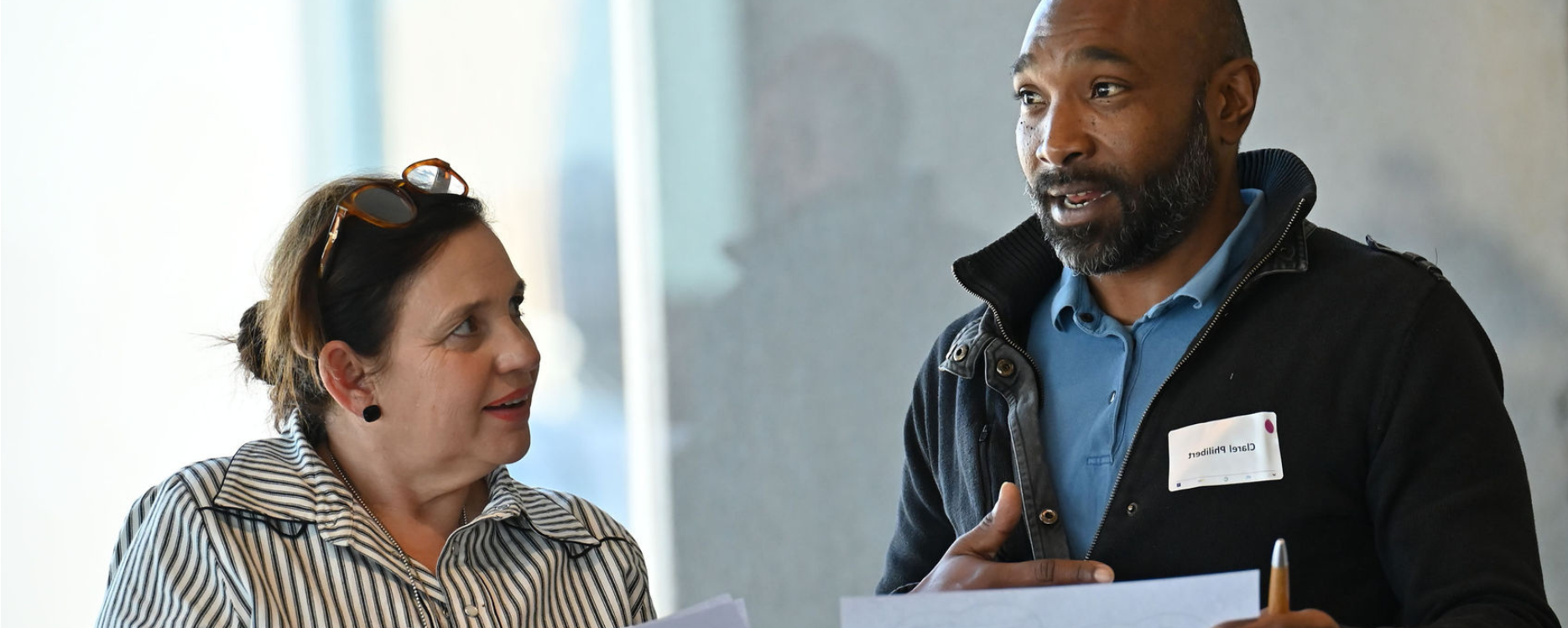
The symposium included a session dedicated to the approach for Aboriginal and Torres Strait Islander peoples, who are more than two times as likely to be diagnosed with lung cancer than non-Indigenous people, and 1.8 times as likely to die from the disease.
The session speakers include consumer advocate Melissa Sheldon, A/Prof Lisa Whop from Australian National University, Shannon Gleeson from the Victorian Aboriginal Community Controlled Health Organisation, and A/Prof Kalinda Griffiths, Flinders University.
Ms Gleeson, VACCHO Strategic Projects Manager, shared details of a lung cancer screening pilot at two Aboriginal Community Controlled Health Organisations – Victorian Aboriginal Health Service (Naarm/Melbourne) and Gippsland and East Gippsland Aboriginal Co-operative (GEGAC) on Gunaikurnai country. The pilot is supported by a partnership between VACCHO and VCCC Alliance.
She said the pilot was Mob-led, culturally safe and tailored to local needs. It was important this was not another ‘co-design’ but a model that places Mob in control at the start.
“It’s not just culturally safe, it is culturally led,” she said.
A/Prof Kalinda Griffiths, Director of Poche SA +NT, Flinders University, said lung cancer screening offered the promise of early detection for a cancer that disproportionately impacts Aboriginal and Torres Strait Islander people – but for it to work well, it needed to be accessible, trusted and culturally safe.
A/Prof Griffiths went on to discuss areas to consider in evaluating the program, including that it should be community relevant, led by Mob, and encompass shared priorities and values.
In another thought-provoking session, consumer advocate Eric Yeung from CanRevive, an organisation supporting the Chinese community, spoke about the challenges faced by this community in the face of a cancer diagnosis.
He said there was a strong feeling of guilt when a person was diagnosed with cancer, which stemmed from a feeling of being a burden to their family. A model developed by CanRevive over the past 30 years included advocating for healthcare that was acceptable, available, accessible and affordable for the Chinese speaking community.
The symposium featured more than 30 speakers across seven sessions throughout the day. CEO Prof Grant McArthur AO opened the event and Wurundjeri Elder, Uncle Tony Garvey delivered an engaging and thoughtful Welcome to Country.
From patient advocates, clinicians, nurses, researchers, community health organisations and federal and state government representatives, this was a symposium for everyone.
Federal speakers include Jessica Pratt, Assistant Secretary, Australian Government Department of Health and Aged Care, and Cancer Australia Medical Director, Prof Vivienne Milch.
The Victorian government was represented by Dr Bridie O’Connell, Executive Director, Public Health, the Victorian Department of Health and Ross Broad, Executive Director, Hospitals and Health Services.
Mr Broad said the department’s job was to ensure Victorian hospitals and clinics are ready to support the program. He said there were some gaps in regional areas which would be a focus for the department. In addition, he said the department was working through how hospital-based radiology and radiotherapy could support the program.
Mr Broad said the department was looking at funding demand across the state.
The symposium also discussed lung cancer screening evidence, guidelines, pathways and additional findings, as well as smoking cessation, and data collection.
The symposium was delivered in partnership with Lung Foundation Australia and VACCHO, with additional support from Johnson & Johnson, Siemens Healthineers, and MSD.
Read our additional feature articles on speakers here:
Consumer advocate and lung cancer survivor Anne Fidler
Heart of Australia, Ewan Wylie
GP perspective with A/Prof Justin Tse
Culturally safe care with A/Prof Lisa Whop