




The University of Melbourne’s Faculty of Medicine, Dentistry and Health Sciences (MDHS) has been at the forefront of advancing health, education and discovery in Australia since its formation in 1876. From training generations of health professionals to driving world-leading research, the Faculty has played a pivotal role in shaping modern healthcare.
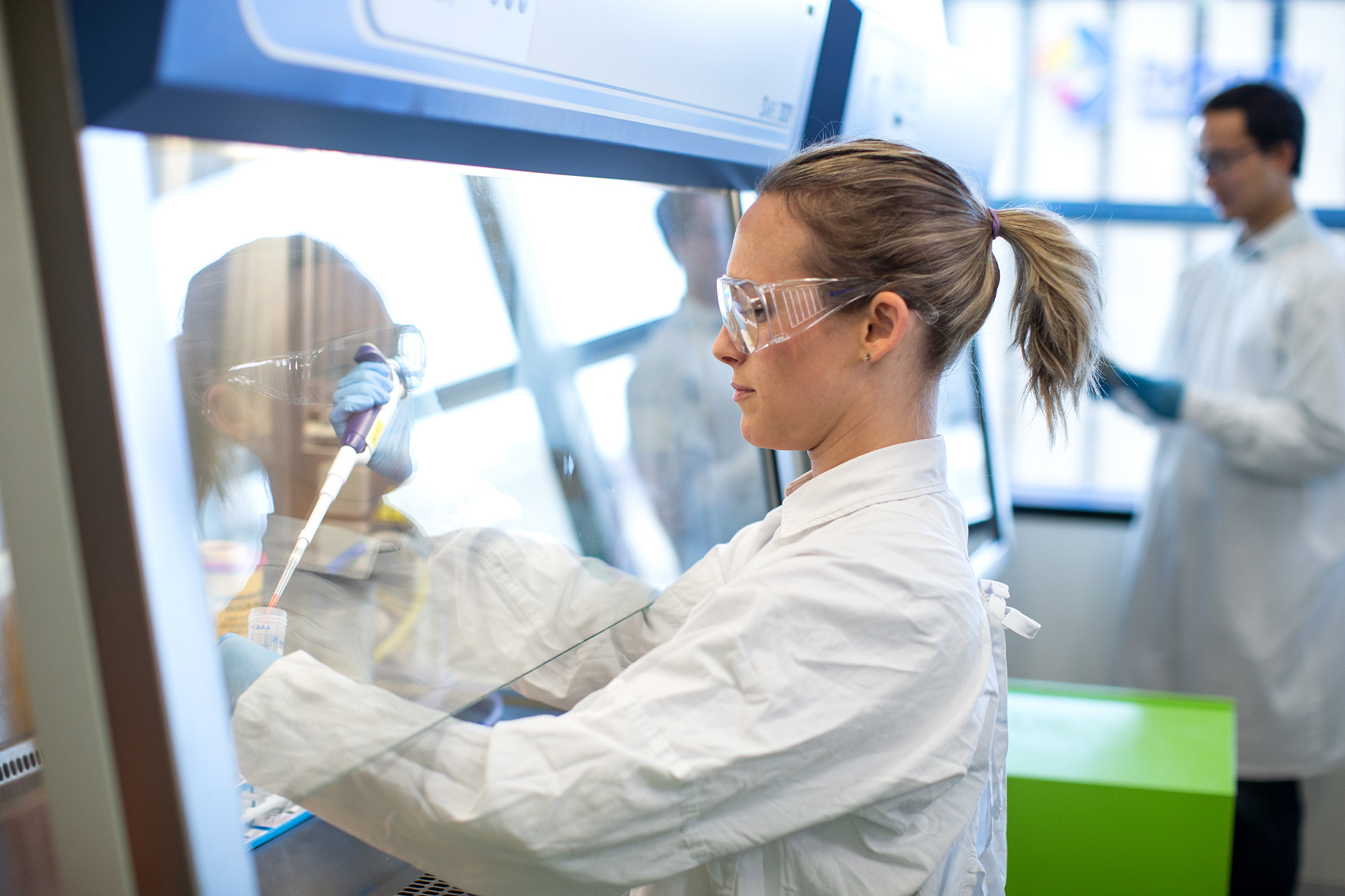
According to university historian Associate Professor James Waghorne, cancer has been a significant throughline in the Faculty’s history. Even before formal structures were created, the Faculty was pioneering cancer research. Since the early 1900s, it has brought together leading minds and built infrastructure for discovery, including the Commonwealth’s first radium laboratory in the late 1920s.
“While many diseases have been eradicated in recent decades, cancer continues to be a major cause of mortality. Cancer remains an important focus in the Faculty’s work, leaning into the university’s research communities and commitment to public health,” says A/Prof Waghorne.
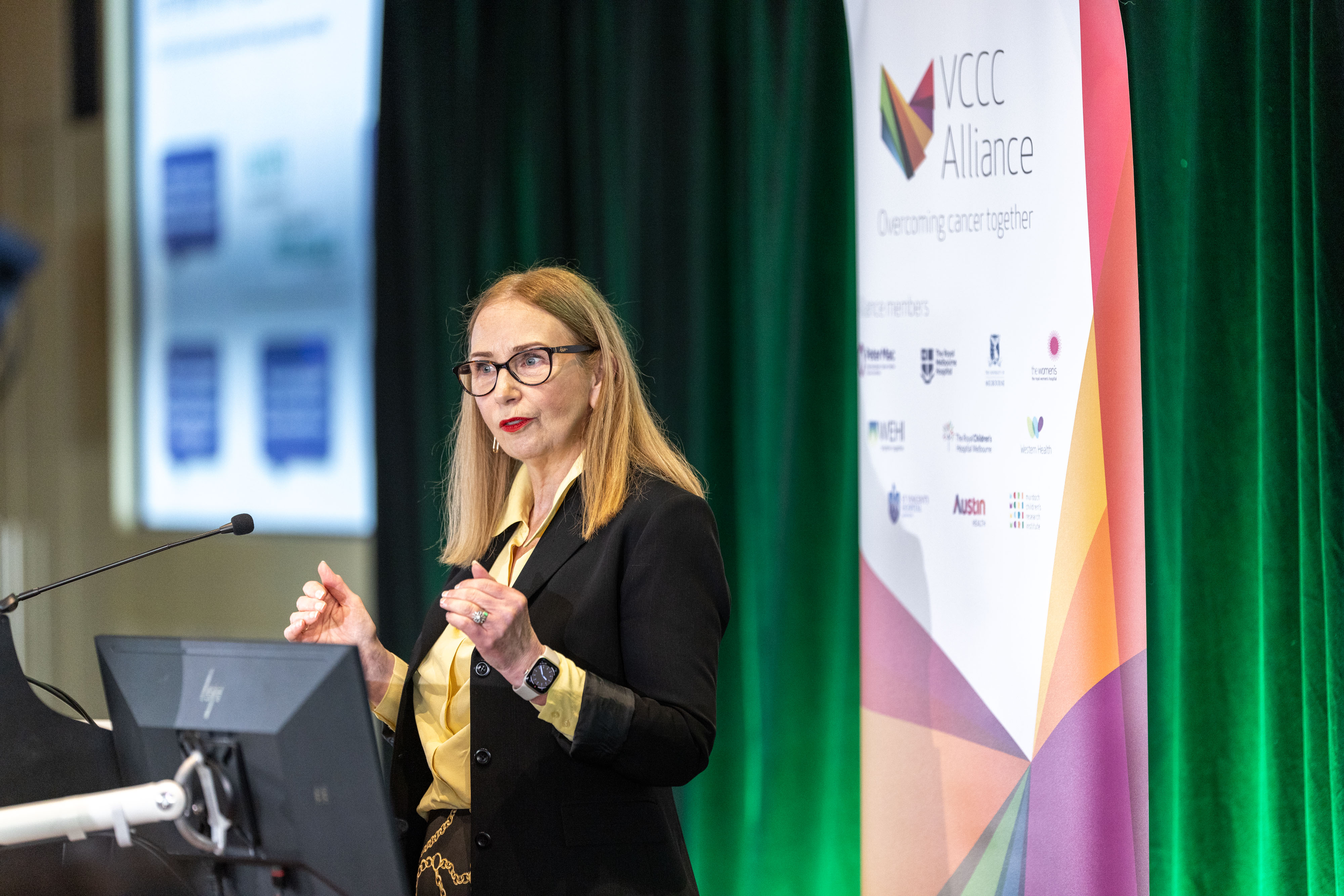
This legacy of collaboration formed the development of the Victorian Comprehensive Cancer Centre (VCCC) in 2009, with the Faculty playing a key role alongside hospitals and research institutes across the Parkville precinct. It evolved into the VCCC Alliance in 2016, bringing together 12 of Victoria’s leading research, academic and clinical institutions, including the recent addition of two regional hospitals.
Over the past decade, the VCCC Alliance has worked closely with the Faculty, co-designing and delivering the Master of Cancer Sciences, Massive Open Online Courses and MicroCerts. A suite of short courses and workshops were also developed, in areas such as nurse-led research and clinical trials.
The partnership further extended to include leadership development through the Bastas Leadership Academy, in collaboration with the Faculty and Melbourne Business School, offering multiple scholarships to the cancer workforce.
For the MBBS Doctor of Medicine, the Faculty and VCCC Alliance co-designed the curriculum, such as the Discover Cancer subject. There is a shared commitment to professional development and educational research, with training and supervision provided to research fellows, and by hosting Master of Clinical Research interns. The Faculty is also a partner in the VCCC Alliance SKILLED Clinical Trial Internship program, building capability and capacity across Victoria.
As the Faculty marks its 150th anniversary, VCCC Alliance celebrates their ongoing collaboration. The Faculty’s longstanding leadership in cancer education and research will continue to drive greater impact within the alliance and improve outcomes for Victorians impacted by cancer.