








A global warning has sounded an alarm for cancer care systems worldwide. The Lancet Oncology Commission has predicted a shortage of nearly 100 million cancer care workers by 2050, driven by a projected 75% increase in cancer incidence globally.
The report warns that without urgent action, low and middle-income countries will bear the heaviest burden, with particular shortages in nursing and diagnostic roles. The Commission says scaling up the cancer workforce could avert up to 170 million deaths and cut mortality by about 40%, while delivering significant economic benefits.
Victoria also stands at a crossroads. Annual cancer diagnoses are projected to rise from 40,000 in 2024 to 60,000 by 2039 – a 50% increase driven by population growth and ageing.
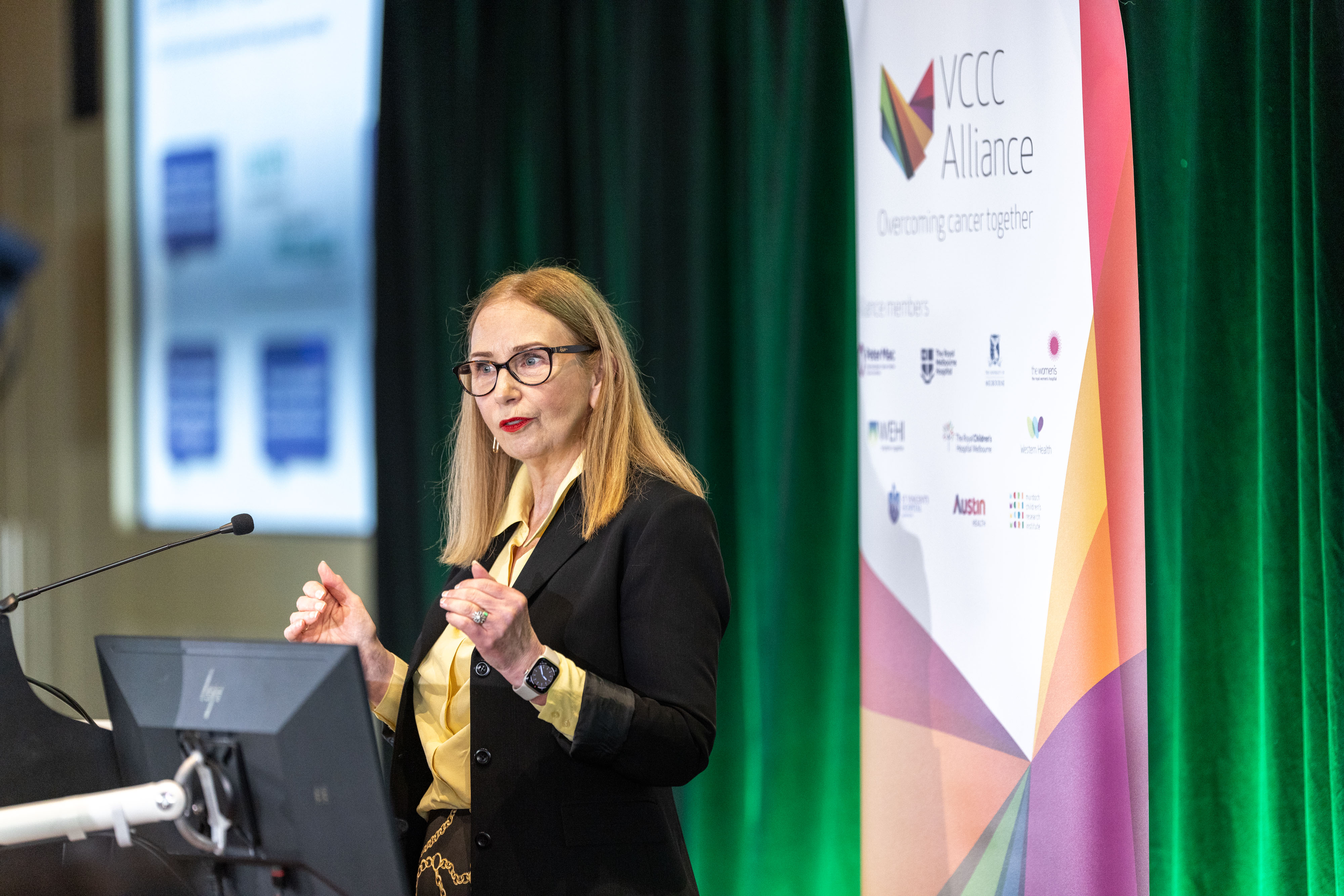
VCCC Alliance Director of Education Michelle Barrett said Victoria is not immune to the global cancer workforce crisis predicted by The Lancet Oncology Commission.
“This is not a distant problem – it's happening now,” she said. “Without targeted investment in workforce development and training, the state cannot ensure consistent, high-quality cancer care across all regions.”
Regional and rural areas would continue to face access barriers; skilled professionals were likely to leave under-served communities, and wait times would lengthen.
"We cannot build a sustainable cancer care system without investing in our people. Ongoing workforce development is essential.”
The VCCC Alliance is asking the Victorian Government to fund two key workforce initiatives:
"Advanced practice models enable the workforce to work to the full extent of their scope, retain skilled professionals, and deliver consistent, high-quality care across all regions," Ms Barrett said.
“Early investment in training and role utilisation prevents the far greater costs of system failure which means delayed diagnoses, worse patient outcomes, and emergency spending down the line. Allowing inequity and system pressure to grow, will result in a fragmented system unable to meet demand, with the most vulnerable communities bearing the greatest burden.”
Ms Barrett said Victoria has a clear opportunity, and responsibility, to lead the nation in building a cancer care workforce that is equipped for the future, properly supported, and distributed fairly across every region of the state.
“The Lancet warned of a global cancer workforce crisis. In Victoria, that crisis is impending, and the human and economic cost of inaction will far exceed the investment needed now.”