




We all have a role to play to improve cancer outcomes for those who face disadvantage. We need to provide every patient with a safe place, invite them to share their voices and keep our minds open.
Cancer data shows that in Victoria, there is a broad scope of communities facing disadvantage; our cancer system needs to be equipped to respond to those from First Nations, CALD, regional and rural and gender diverse communities]. Social determinants of health, described as the conditions in which people are born, grow, live, work and age make the task of providing equity in cancer care even more challenging.
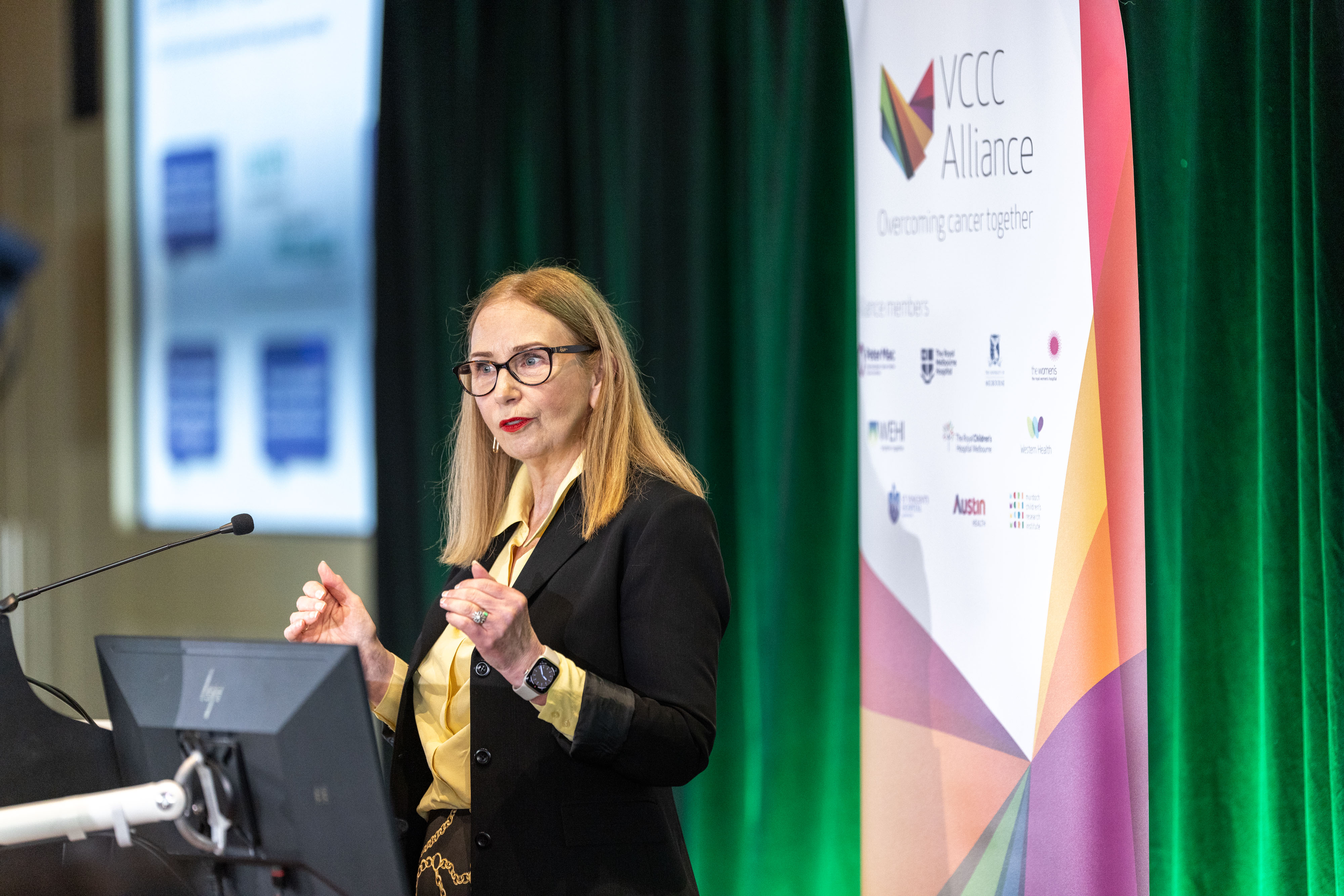
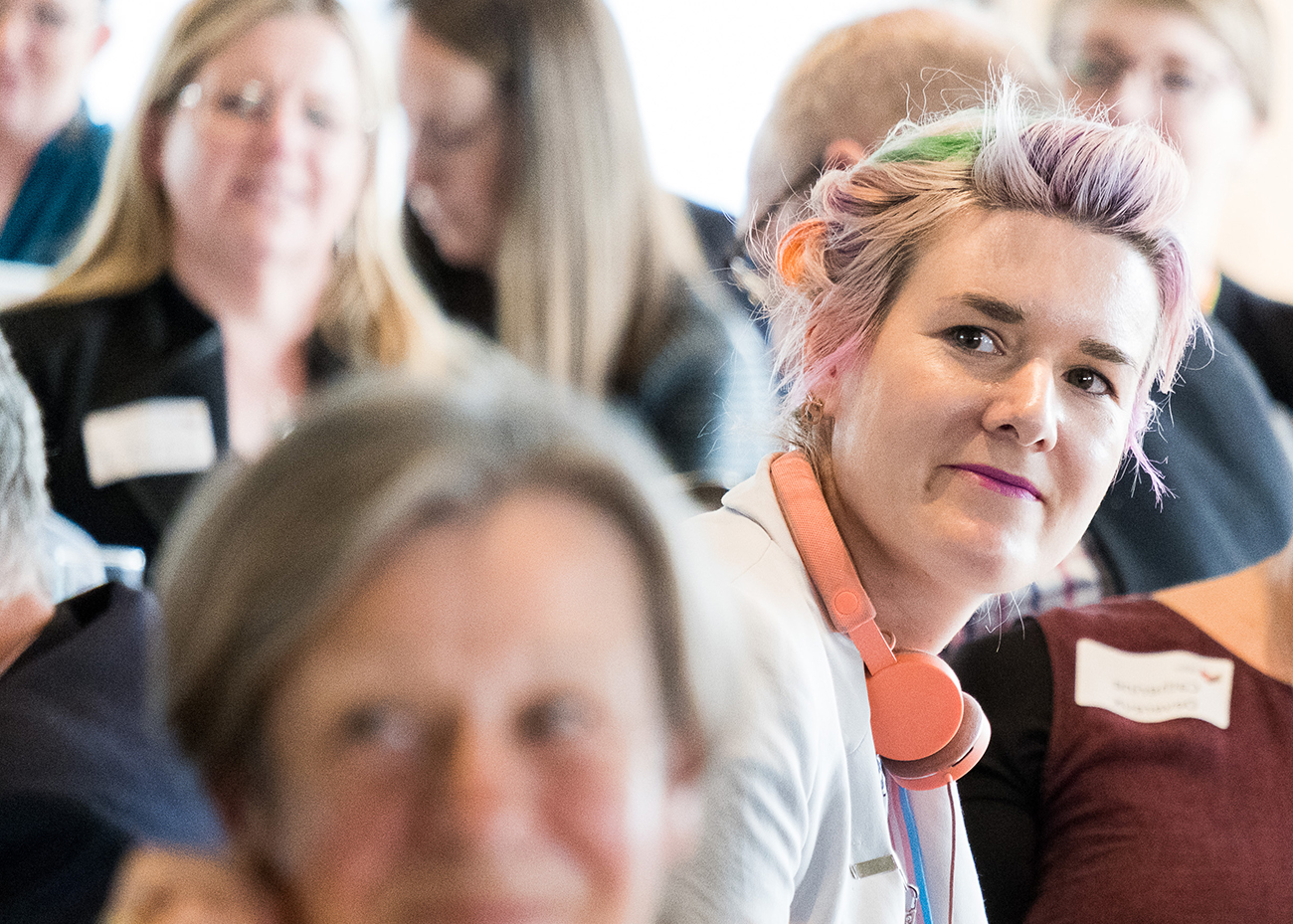
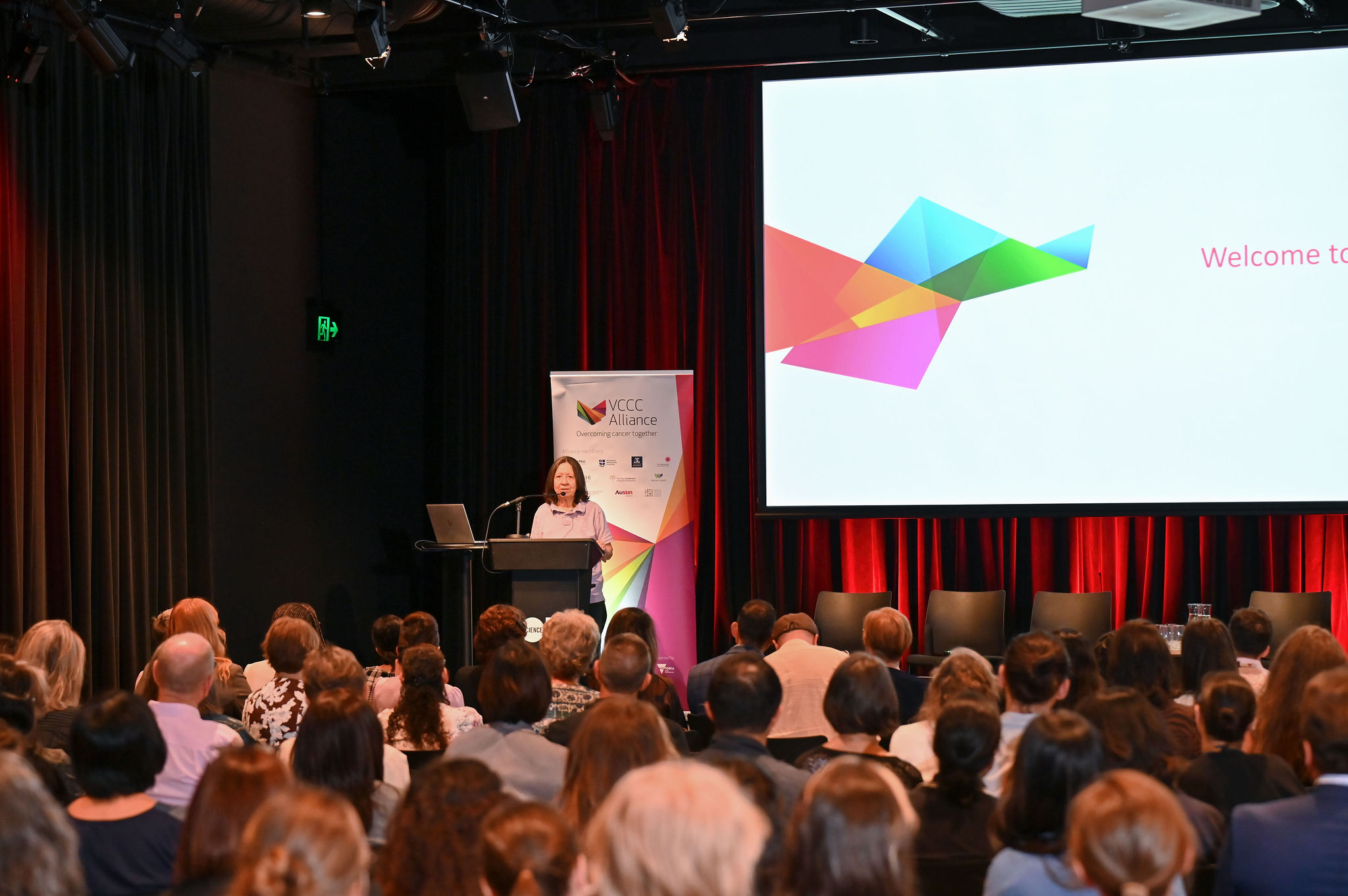
These are just some of the insights that came out of the VCCC Alliance “Advancing Equity in Cancer Outcomes” on 11 March, where 22 speakers discussed key health inequities that exist across the cancer care continuum and their impact on outcomes.
Understanding what cultural safety looks like and recognising that healthcare cannot be inclusive if health and medical research is not inclusive, were key messages on high repeat throughout the day.
Victoria’s Health Minister, the Hon Mary-Anne Thomas MP, acknowledged in her address that those with lived experience were “really driving research, understanding and clinical practice”, and added that there were “opportunities for AI to free up clinicians’ time to improve person-centred care and one-on-one care.”
“People who are patients also know stuff that healthcare providers ought to know. Sometimes health providers need to come off their high horse and come down to the ground.”
- Prof Yin Paradies, Keynote Speaker
Aboriginal communities continue to experience significant disparities in health outcomes – they are twice as likely to be diagnosed with cancer, and 3.4 times more likely to die of cancer.
Wurundjeri Elder Annette Xiberras reminded those in attendance about the important role of Aboriginal Intelligence, the other ‘AI’, when creating a safe place for them, and this was reinforced via a number of examples throughout the day.
During his keynote address, Professor Yin Paradies, Distinguished Professor of Race Relations, Deakin University, referred to a trial program of First Nations Cancer Coordinators (FNCC) across five states in Australia – the findings1 of the program showed that “FNCC roles can provide culturally grounded care coordination, facilitating trust between patients and healthcare teams, while simultaneously improving the cultural competency of healthcare workers themselves.”
According to Professor Paradies, “A lot of work in Indigenous health is cutting-edge and can be brought into the broader systems.”
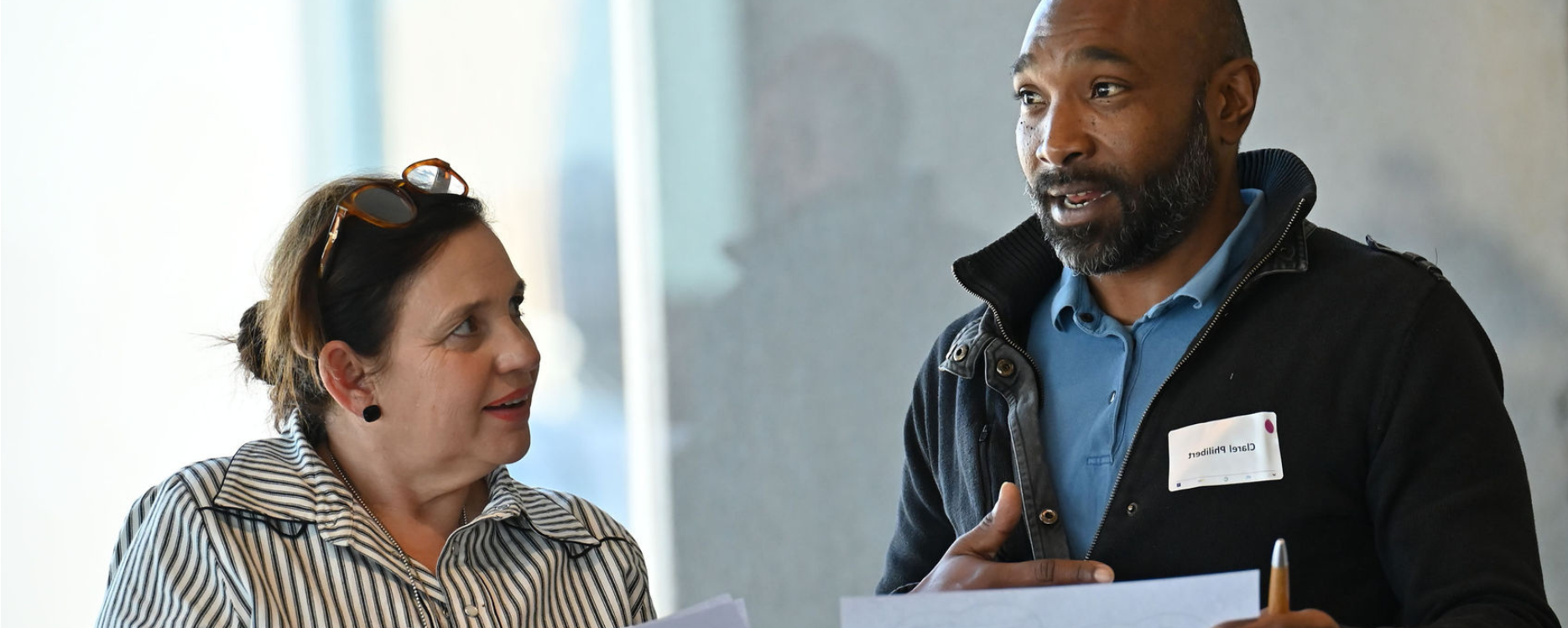
During the Lived Experience panel discussion, themes of generational trauma, neurodiversity, gender equity and experiences of young people who had experienced and survived cancer were shared with honesty and passion, and most often, with answers on how their experiences could be considered and turned into best practice.
One question raised during the day was, “People don’t always identify as CALD first, they initially might identify as a woman dealing with issues. Are we missing people who are LGBTQI+ because we’re using other ‘labels’?”
Shannon Gleeson, Strategic Project Manager, Cancer Journey at VACCHO acknowledged that there are data gaps. “We need identifiers to know who is utilising services.”
During the symposium, clinicians, nurses, researchers, consumers, educators and policy makers, were given the opportunity to tap into their collective experiences, expertise and insights to tackle the question of advancing equity in cancer outcomes.
Current and recently completed research findings were shared, equity tools already developed or in development were discussed and old (and new!) gaps on the road to equity, were examined.
While the challenges to ensure equity in cancer care were laid bare, there was also an air of positivity and anticipation of how, as a collective ‘we’, those in the cancer system can reshape it, to ensure that everyone who moves through it feels safe and supported and are the recipients of the best cancer care Victoria has to offer.
VCCC Alliance Chair Professor Sanchia Aranda said during her opening remarks that “bringing community, people and others together, is the reason for the VCCC Alliance”, and the symposium met that brief, in spades.
The symposium was delivered in partnership with Australian Multicultural Health Collaborative.
For more information on the VCCC Alliance Health Equity Programs discussed at the symposium, visit this page.
For more information on the equity research programs and tools discussed at the symposium, download this page.
Recordings and the eventual symposium report will be placed on the Health Equity Hub on the CCE when they are available.
1Wilson, M.C., et al. 2026. Scope and impact of a First Nations cancer coordinator role: perspectives of multidisciplinary cancer staff. Supportive Care in Cancer 34:124.