








Blood tests could provide early warning signs for lung and colorectal cancers
A new study, published in Cancer Medicine, has found that blood test abnormalities may be used in a general practice setting to enable earlier diagnosis of lung cancer and colorectal cancer, two of the most common cancers in Australia.
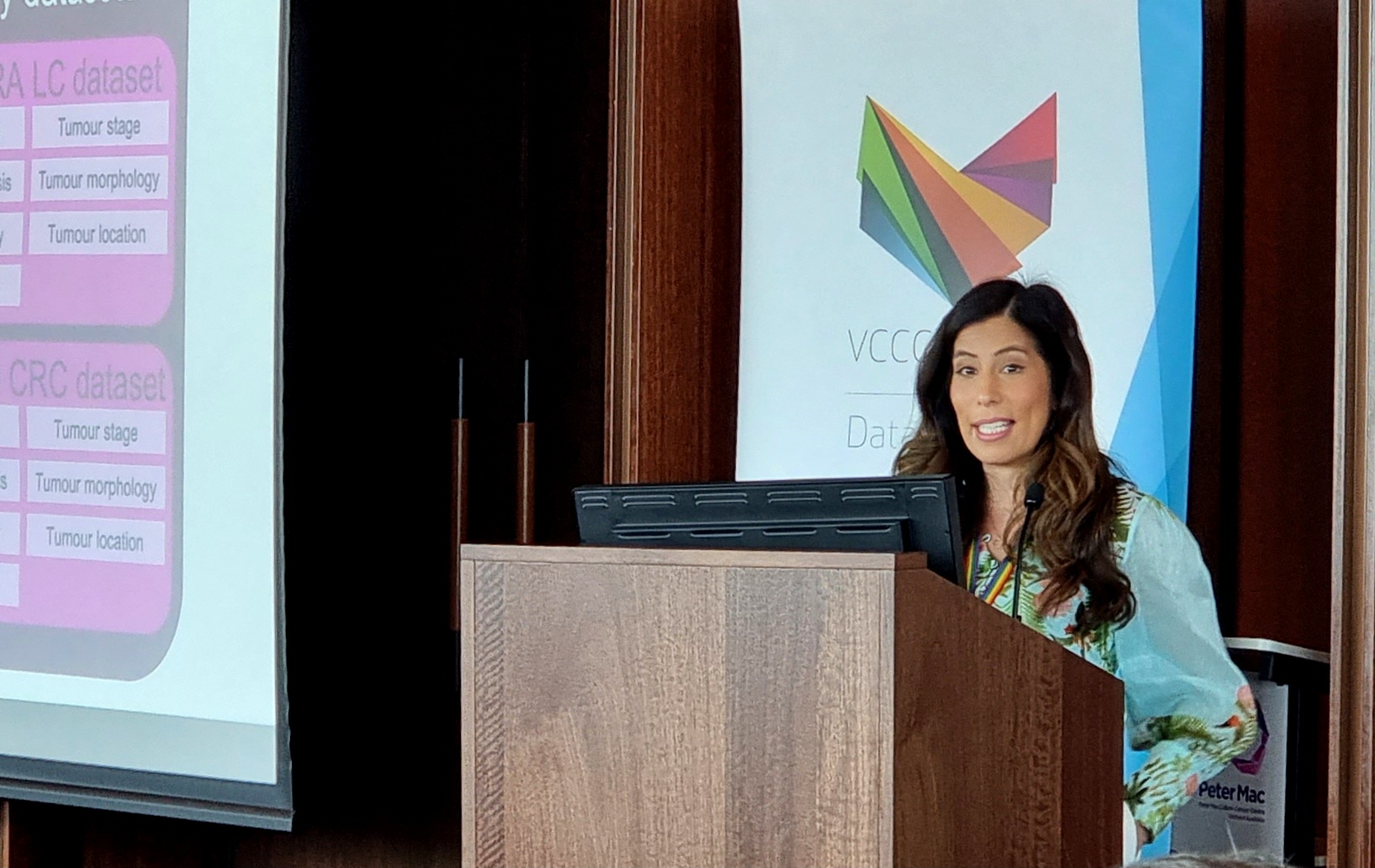
The research, led by Dr Meena Rafiq from the Cancer in Primary Care group at the University of Melbourne Centre for Cancer Research, investigated patterns in blood test results and diagnostic windows – the time period before a cancer diagnosis – to support earlier detection of these cancers in general practice.
Using linked Australian primary care and hospital cancer registry data, the study analysed 855 lung cancer, and 399 colorectal cancer patients diagnosed between 2001 and 2021.
"Our findings indicate that there may be points that can trigger an alert of potential cancer earlier, even for some of the most common cancers," said Dr Rafiq.
"This study demonstrates an increase in diagnostic activity in Australian general practice several months before lung and colorectal cancer diagnosis, indicating potential opportunities for earlier diagnosis," said Dr Rafiq.
"For lung and colorectal cancer, which account for 9 per cent and 10 per cent of all new cancer diagnoses in Australia each year respectively, we found patterns in blood test results that could provide an earlier sign."
The study found that patients with lung or colorectal cancer visited their GP an average of six to seven times in the six months before cancer diagnosis, and 10 to 12 times in the year leading up to diagnosis, with more frequent visits for those who had blood tests requested and abnormal results.
It also showed that general practice blood test requests increased from seven months before colorectal cancer diagnosis and six months before lung cancer diagnosis. Abnormalities in many acute phase reactants (proteins that change in response to inflammation) and red blood cell indices tests increased several months before cancer diagnosis, often occurring prior to or in the absence of anaemia—a common blood test abnormality associated with colorectal cancer.
"Even for lung cancer, our results show that there are markers in the blood indices indicating blood loss, which you wouldn't typically expect for this type of cancer," Dr Rafiq explained.
The researchers identified distinct blood test signatures that could help distinguish between lung and colorectal cancer sites. If combined with other pre-diagnostic information, these blood tests have the potential to support GPs in prioritising patients for cancer investigation and expediting diagnosis.
"Cancer diagnosis could be potentially brought forward for some lung and colorectal cancer patients if diagnostic technologies can be developed and deployed to help identify patients at higher risk of underlying cancer and prompt further diagnostic investigation," Dr Rafiq added.
The study highlights the potential role of common blood tests in providing early warning signs for two of Australia's most common cancers, paving the way for future research and the development of diagnostic tools to support earlier detection in primary care.
The project emerged from Data Connect, a major collaboration between the VCCC Alliance, the University of Melbourne, hospitals and BioGrid Australia, that has enabled the linking of primary care and hospital data for the first time in Australia for cancer research.
First published by the University of Melbourne.