





A groundbreaking initiative is transforming how healthcare professionals working in cancer care address sexual health. Sexual Health and Cancer, a free online course and dedicated learning hub developed by the VCCC Alliance and the University of Sydney in collaboration with people living with cancer, represents a pivotal shift in this under-addressed area of comprehensive cancer care.
The initiative is part of the Sexual Function and Intimacy Concerns in Cancer Care (SexFICC) Project, funded through the Australian Government's Cancer Patient Support Program.
The course aims to upskill the cancer workforce to identify and manage sexual function and intimacy concerns from diagnosis onwards. This addresses a critical gap, as no such education currently exists in Australia.
Sexual health is a vital component of quality of life. When diagnosed with cancer, people may face treatment decisions and discussions about survival outcomes and side effects, yet sexual health is rarely discussed.
During and after cancer treatment, many people discover their sexual health has been profoundly impacted. Often, this affects their body image and sense of self, which can have a knock-on effect on their intimate relationships. Oversight of this critical aspect of cancer care from healthcare professionals leaves countless people dealing with fundamental life-changes without guidance or support.
With improved survival rates, a growing population of cancer survivors experience sexual function and intimacy problems following treatment. At least 40 per cent of cancer patients – up to 100 per cent in particular cancer groups – report ongoing concerns in this area.
Healthcare professionals recognise this as a significant issue, but recognition has not translated into action. The barriers they face are considerable: lack of knowledge and confidence in addressing sexual health, misconceptions about the limited interventions available, and uncertainty about how to broach the topic with patients. The result is a workforce that is largely unequipped to support people affected by cancer through this critical aspect of their recovery.
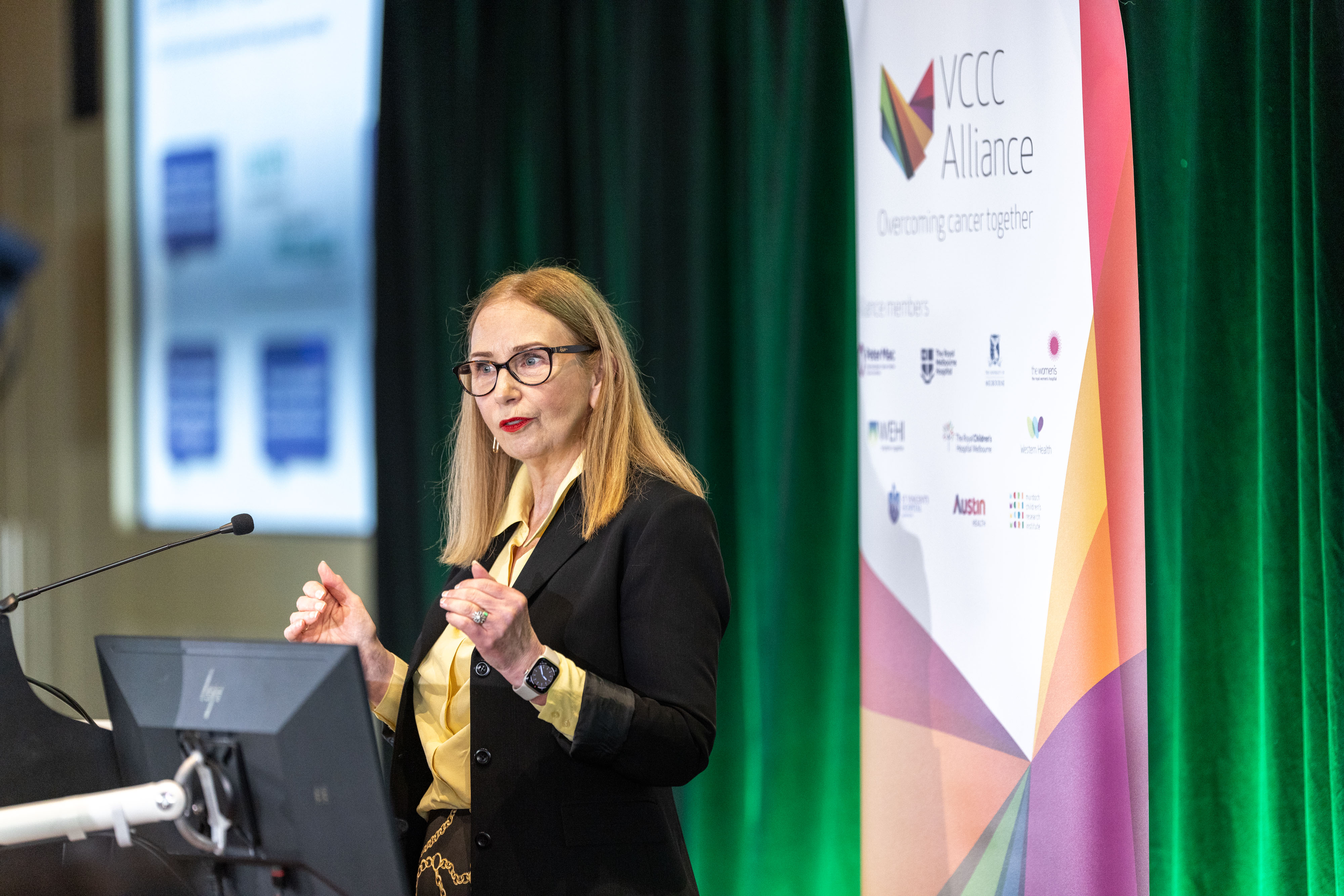
According to VCCC Alliance Senior Manager, Cancer Nursing, Sharon de Graves, sexual health is an essential part of comprehensive cancer care.
"These conversations can have a profound impact on a person’s quality of life,” she said. What strengthens this initiative is that the content was informed by people who have lived experience of cancer across broad community groups, healthcare professionals from a range of diverse settings who treat people affected by cancer and topic experts.
This collaborative approach ensures the resource speaks authentically to real concerns and reflects genuine needs. The development of the course was co-led by Professors Claudia Rutherford and Kate White from the University of Sydney.
“Sexual health is not an optional conversation in cancer care," said Professor Rutherford. “Every person affected by cancer deserves the opportunity to discuss how cancer treatment may affect their sexual health. This course was developed to give health professionals the knowledge, confidence and practical skills to ensure these important needs are no longer overlooked.”
The hub and course addresses sexual health considerations for all people affected by cancer. Importantly, it recognises the needs of people from diverse populations, including:
This inclusive approach tackles stigma and offers culturally sensitive pathways to improved outcomes. The learning hub is purpose-built, housing comprehensive resources designed specifically for nurses, doctors, allied health professionals, and any healthcare provider wanting to upskill in this area.
While initially designed for cancer, haematology, and community nurses, the resources are applicable to the broader health care workforce around the world. The education includes practical, evidence-based approaches tailored to address health literacy, geographical barriers, and the specific needs of priority populations.
The course also features an innovative AI-simulated conversation tool, that allows healthcare professionals to practise difficult conversations in a safe, judgment-free environment. This builds confidence and competence before engaging with real patients.
For people affected by cancer and their partners, this resource offers hope that their concerns matter and that help is available. For healthcare professionals, it offers the knowledge, skills, and confidence to have conversations that can transform quality of life.
For the global cancer community, it signals a fundamental shift: sexual health is an essential component of dignified, comprehensive care. More information