






The VCCC Alliance has launched its new Gender Strategy, marking a significant step forward in ensuring fair and equitable cancer care regardless of gender.
The strategy recognises that women, men and gender-diverse people experience cancer differently, from initial risk and diagnosis through to treatment, survivorship and caregiving. Yet many cancer systems have traditionally used a one-size-fits-all approach that does not account for these differences.
The timing is significant. From January 2026, major Australian research funders – the National Health and Medical Research Council (NHMRC) and the Medical Research Future Fund (MRFF) – have required all funding applicants to consider sex, gender, variations in sex characteristics and sexual orientation in their research.
This reflects a growing recognition that gender-informed approaches lead to better research and better outcomes.
The VCCC Alliance, which brings together 12 health services and medical research institutes, is well positioned to champion this change.
According to Dr Vijaya Joshi, VCCC Alliance Director of Strategic Programs, women remain significantly under-represented in cancer clinical trials. A 2020 review found women made up only 38 per cent of trial participants, despite representing almost half of the cancer population,” she said.
“This gap means treatments may not work equally well for everyone."
Women also face unique barriers to timely diagnosis and treatment. They are more likely to experience delayed diagnoses and misattributed symptoms. Men, meanwhile, are less likely to seek preventive care or screening due to societal expectations around masculinity.
By recognising and understanding these gendered patterns, the VCCC Alliance can help design services that work better for everyone.
Cancer creates financial strain differently across genders. Women often face greater hardship due to the gender pay gap and caregiving responsibilities, while men in physical jobs may struggle to return to work after treatment.
Meanwhile, caregiving is often invisible and undervalued, particularly when performed by women. Research shows 57 per cent of female unpaid caregivers do not feel supported by government organisations.
Gender-diverse people, including transgender individuals, are often excluded from cancer narratives and services. Men with breast cancer – less than 1 per cent of cases – frequently report feeling isolated and excluded.
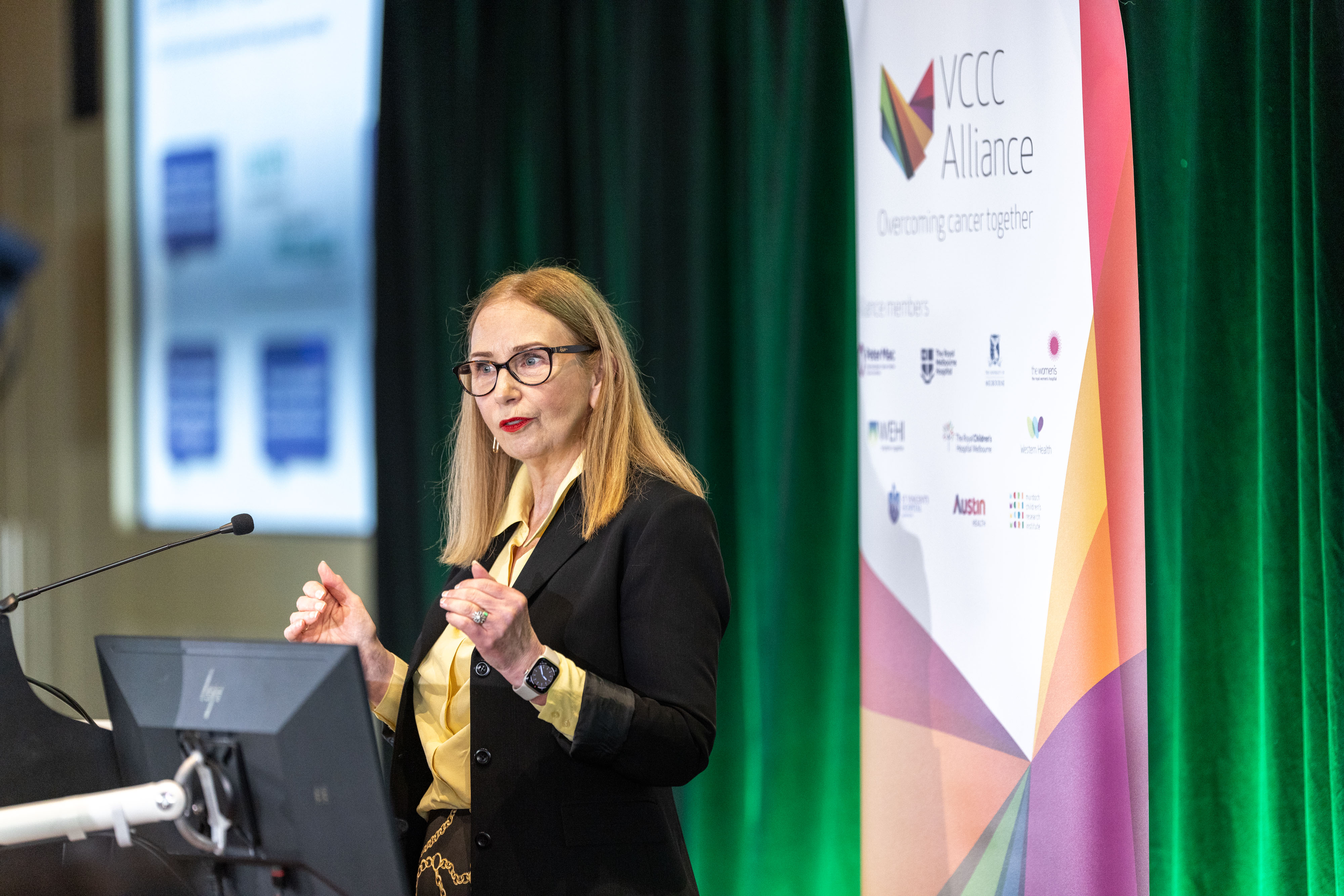
VCCC Alliance CEO Professor David Ashley said the strategy aims to highlight the voices of everyone, to place them at the centre of research, education and cancer care.
To do this, the Alliance is adopting a two-phase approach. Phase 1 (2026–2029) focuses on mainstreaming gender equity across all areas of work, examining existing programmes and identifying opportunities to apply a gender lens. Phase 2 will involve deeper gendered analysis, examining how stereotypes, norms and systemic barriers affect cancer care and outcomes.
Rather than treating gender as a separate issue, the strategy embeds gender across all pillars of the Alliance's work: research, data, clinical care, workforce development and lived experience engagement.
"By consolidating expertise across our members and scaling proven approaches, the Alliance can drive more responsive, person-centred care for all people affected by cancer," Professor Ashley said.
“The VCCC Alliance aims to establish itself as a national leader in gender-informed cancer care and research, recognising that achieving gender equity in cancer requires intentional, system-wide action.”