






OPINION
By MELISSA LE MESURIER
When you are diagnosed with cancer, it is not unusual to feel powerless, perplexed or even overwhelmed about your treatment options.
But for me, once the initial shock of my bladder cancer diagnosis subsided, I really wanted to be proactive in decision-making about my treatment. I decided to be a co-pilot, not a passenger, in tackling my health challenge.
I set out to learn how best to navigate our complex health system and what questions I needed to ask my medical team. This informed better conversations with the team, enabling me to discuss the latest research and be actively involved in decision-making around my treatment.
I believe this not only contributed to my positive outcome, but by being proactive, I improved my own experience as a patient and feelings of safety and confidence. Armed with increased health literacy, I learnt how to advocate not only for myself, but for other cancer patients too.
This is why I lend my voice to patient advocacy groups, including the Victorian Comprehensive Cancer Centre Alliance (VCCC Alliance), where I Chair the Cancer Consumer Advisory Committee.
The VCCC Alliance is renowned for its inclusion of people with lived experience of cancer – sometimes referred to in the sector and government policy as ‘consumers’ – and for influencing others in Victorian cancer healthcare to do the same. From its earliest days the decision was made to have consumers as active partners in the alliance’s vision and strategy.
From a metropolitan perspective, this has been done well, by the alliance and others. Now it is time to shift our focus to regional areas. We need more diverse voices.
Cancer remains the leading cause of death in Victoria and Australia, accounting for one in every three deaths. Patients with cancer living in regional and rural Victoria experience lower five-year survival rates than those living in metropolitan areas, 66 per cent compared to 70 per cent, respectively.
Regional Victorians are 10 per cent more likely to be diagnosed with cancer than those living in major cities, and 16 per cent more likely to die.
Tremendous advances in cancer technology and healthcare reforms have contributed to improved survival rates for some cancers. Sadly, there have not yet been similar groundbreaking developments in ensuring equitable access across all cancers to cancer screening, treatment and care. Improvements are not experienced uniformly across Victoria’s population.
Aboriginal and Torres Strait Islander people, culturally and linguistically diverse populations, those with a disability, and Victorians living in regional and rural areas have not benefited to the same extent. Concerningly, in some instances, outcomes are declining.
The failure to address these issues is dramatically impacting patients, both socially and economically.
No one’s cancer care and experience should be influenced by what postcode they live in. It’s hard enough to deal with the physical and mental impact of cancer treatment without the added burden that optimal care is not available close to home.
At its core, the purpose of patient involvement is to improve the health outcomes and experience of services for patients, and the wider public.
Patient involvement in decision making for cancer treatment has been shown to improve patients’ perception of quality of care, physical functioning, and quality of life.
Without immediate investment to improve outcomes across the whole cancer experience, the devastating reality that one in three Australians die from cancer will remain.
As cancer incidence rises across all age groups, and more people live with and beyond cancer, the disparities in care and outcomes are becoming even more pronounced.
The VCCC Alliance has played a pivotal role in transforming the culture of the Victorian cancer system to focus on consumer needs and outcomes that matter to patients.
The alliance has built significant capacity among metropolitan consumers to play an effective role in the cancer system. It has provided leadership and training opportunities for consumers to equip them with the skills and knowledge to positively drive consumer-led outcomes. However, the low representation of diverse and priority populations across existing consumer networks needs to be addressed.
Good intentions alone will not ensure consumer-informed care. The opportunity now is to develop a knowledgeable, consumer-engaged regional cancer workforce as a foundation to quality, safety, and innovation in cancer care. Consumers should be equipped with the tools and support they need to advocate for themselves and their communities. Organisational structures need to be developed to integrate consumer and community perspectives effectively into decision making and quality improvement.
It is crucial to immediately implement and scale up innovative initiatives to tackle these challenges, ensuring a healthier future for individuals, our communities, health systems and the economy.
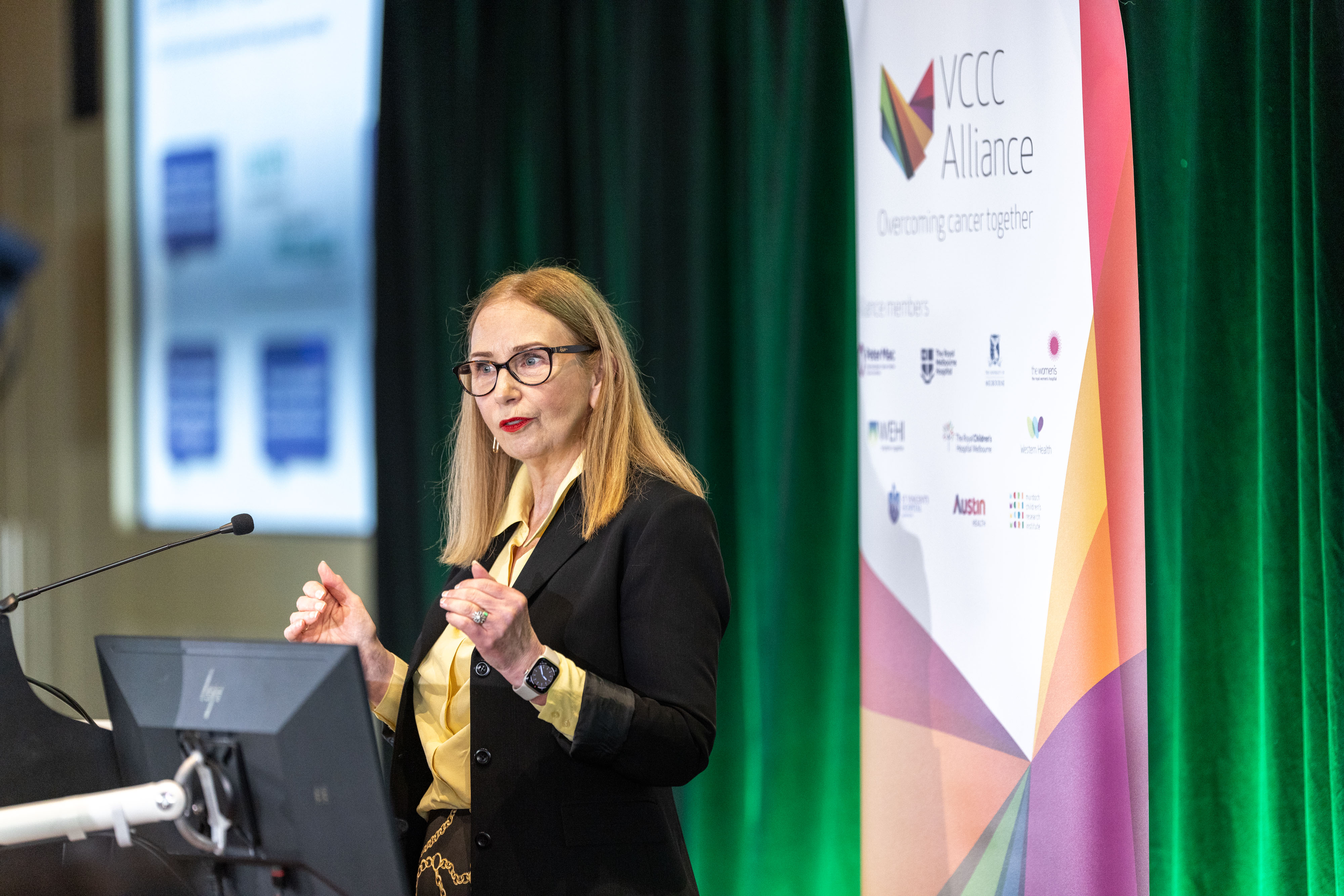
Melissa Le Mesurier is Chair of the VCCC Alliance Cancer Consumer Advisory Committee. She Chaired the VCCC Alliance Consumer Engagement Forum in Bendigo on Monday 9 December 2024.