





Women carry internalised personal and cultural expectations that may conflict with their career ambitions, hindering the number of women in top leadership roles, an International Women’s Day online webinar has heard.
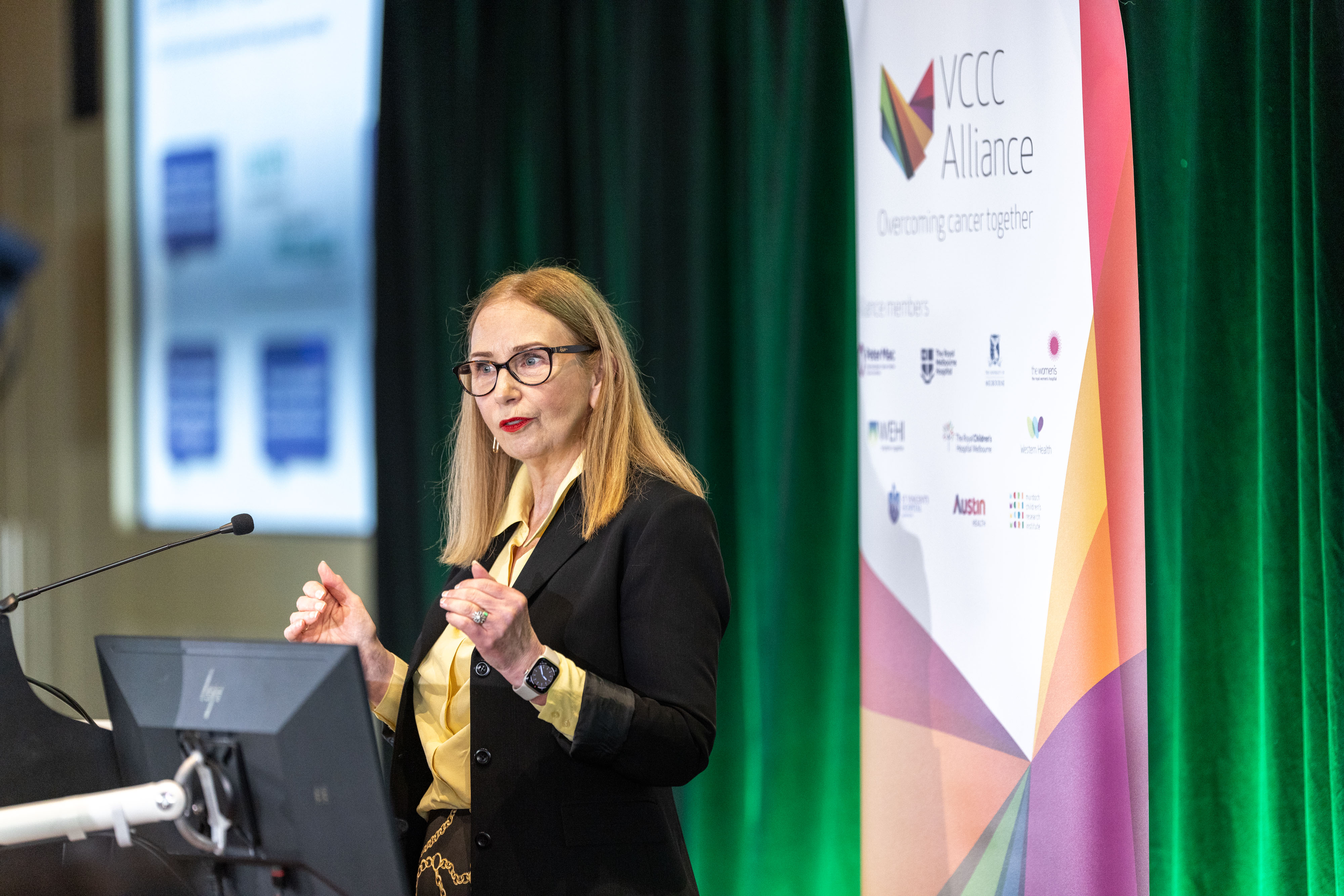
Professor Sherene Loi, Breast cancer Research and Education Lead, VCCC Alliance and Lab head, Peter MacCallum Cancer Centre said the lack of women at high levels in medical research and clinical roles needs to be examined holistically and consider issues of intersectionality.
“There are many personal and cultural expectations on women that they hold very internally – what their mother expects of them, what their family expects of them – and that often conflicts with what they might actually want to do,” Prof Loi told the VCCC Alliance ‘Respect in Research’ Monday Lunch Livestream webinar held to mark International Women’s Day.
“It's not like they (women) don't start off wanting to be ambitious…or be really passionate about their work, it's just that along the way things happen. Sometimes that's internal - their expectations, their family's expectations, their partner's expectation, their mother's expectations.
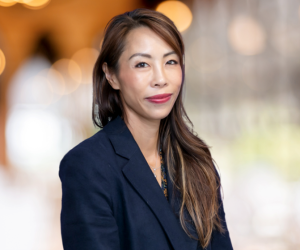
“Sometimes that's because they're in a workplace that doesn't celebrate or doesn't have any visible women at the top who they can relate to, so they don't see themselves fitting in with the leadership group. There's no incentive for them to get there.”
“I strongly believe you can't be what you can't see - so having women in leadership positions is extremely powerful,” Prof Loi said.
Positive initiatives she had observed that supported women in research and medical roles included improvements in federal grant application processes, workplace targets for gender representation at the high levels, involving men and women in mentoring roles, and active bystander training – calling out inappropriate behaviour.
“I strongly believe you can't be what you can't see.” – Prof Sherene Loi
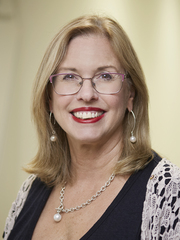
Professor Christobel Saunders AO
Prof Christobel Saunders AO, Head of Department of Surgery and James Stewart Chair of Surgery at The University of Melbourne, and VCCC Alliance Board director, also noted positive initiatives at the university’s Faculty of Medicine, Health and Dentistry.
These included strategic grants – untied to specific activities – offered to outstanding women in medical research institutes and hospitals in the Parkville precinct, a mentoring program for men and women early and mid-career researchers, and a network for researchers from culturally and linguistically diverse backgrounds which had attracted many female participants.
Dr Miranda Smith, Senior Collaborative Research Specialist, The Peter Doherty Institute for Infection and Immunity and WiSPP member and contributing author to the Respect in Research report, said it was important not to take for granted that change would happen on its own. “We all have a responsibility to push for it and to advocate and to continue to bring it up in discussion, it's something that everybody can participate in.”
To view the full one-hour Monday Lunch Live webinar recording, visit the Centre for Cancer Education
The International Women's Day webinar hosted by the VCCC Alliance explored issues raised in the report ‘Respect in Research’, about implementing gender equality and reducing sexual harassment in all areas of health and medical research.
The report found:
The Respect in Research (2023) report was led by the Women in Science Parkville Precinct (WiSPP) in collaboration with the Australian Alliance of Medical Research Institutes (AAMRI) and funded by the Victorian Department of Jobs, Skills, Industries and Regions.